International removals explained for UK households

If you are planning a move abroad, the process can feel oddly exciting and slightly overwhelming at the same time. One minute you are imagining the new kitchen, the next you are staring at passport folders, furniture lists, and wondering how on earth your sofa is meant to get across Europe. This guide to international removals explained for UK households breaks the whole thing down in plain English so you can make sensible decisions without the guesswork.
Whether you are moving for work, family, retirement, or simply a change of pace, the big questions tend to be the same: what gets moved, what gets left behind, how long it takes, what it costs, and how to avoid expensive mistakes. Let's walk through the moving parts, literally and otherwise.
- Why international removals matter
- How the process works
- Key benefits and practical advantages
- Who this is for and when it makes sense
- Step-by-step guidance
- Expert tips for better results
- Common mistakes to avoid
- Tools, resources and recommendations
- Law, compliance, standards and best practice
- Options and comparison table
- Case study or real-world example
- Practical checklist
- Conclusion
- Frequently asked questions
Why International removals explained for UK households Matters
An overseas move is not just a longer house move. It is a more layered one. You are dealing with packing, transport, possible storage, customs paperwork, access restrictions, and the reality that your belongings may travel by road, ferry, sea freight, or a mix of methods. A missing document can hold things up. A poorly packed box can become a little disaster by the time it arrives. That is why understanding the process early matters.
For UK households, the stakes are usually practical rather than dramatic. You might be moving a family home, a flat with awkward stair access, or a smaller load where you only want essentials sent ahead. The right planning can save time, reduce stress, and stop you paying for space you do not need. In our experience, the households that fare best are the ones that start with a simple question: what actually needs to travel with us?
There is also a trust element. International moves involve handing over valuable personal items, often over several days or weeks. You want a provider with clear terms, sensible insurance arrangements, and decent communication. If you are comparing options, it is worth reading the company's insurance and safety information alongside its terms and conditions and privacy policy. Not glamorous reading, admittedly, but very useful.
How International removals explained for UK households Works
The exact route depends on the destination, the volume of your belongings, and the type of service you choose. But the basic structure is usually similar. A removal company assesses the load, confirms access at both ends, plans the transport method, and schedules collection and delivery. Simple on the surface. Then the paperwork arrives.
Most international removals involve some combination of the following:
- Survey or quotation stage: The mover estimates the size of the shipment and checks what is being taken.
- Packing stage: Goods are boxed, wrapped, protected and labelled. Fragile items need extra care.
- Inventory stage: A detailed list of contents is created, especially for larger shipments.
- Transport stage: The load is moved by road, ferry, container, or a shared-load service.
- Delivery stage: Items arrive at the destination and are unloaded, sometimes with unpacking support.
Some households want a full-service move with packing and unpacking. Others prefer a lighter service and handle the packing themselves. If you need help with wrapping, boxing and organising, a service like packing and unpacking services can make a huge difference, especially when the move is time-sensitive.
For smaller homes or partial loads, you may also see people using a man with a van style service, although for a true international move you still need to check whether that provider is equipped for cross-border transport. Not every van job is suited to a long-haul move. A van is a van, until it is suddenly expected to carry a dining set, three suitcases, a bicycle, and half a life's worth of books. Then it becomes a very different conversation.
What usually changes in an overseas move
The big differences are paperwork, timing, and logistics. Domestic removals can often be completed in a day. International moves may take longer because of border checks, ferry schedules, route planning, and delivery windows. If you are moving between countries, you may also need to be careful about restricted items, document requirements, and what should travel separately with you.
Another practical point: access. A house in the UK might have a narrow street and a tricky parking situation. The destination could be the same or even tighter. A good mover will ask about stairs, lifts, permits, distance from vehicle to door, and any unusual access issues. That is not overcautious. It is experience speaking.
Key Benefits and Practical Advantages
The right international removals setup can save far more than just effort. It can reduce damage, simplify timing, and help you settle in faster once you arrive. For most households, that is the real value: not just moving things, but arriving ready to live.
- Less physical strain: Heavy lifting, wrapping, loading and transport are handled for you.
- Better protection for belongings: Professional packing methods lower the risk of breakages.
- Clearer planning: You know when items leave, where they are going, and when they should arrive.
- Less wasted space: A proper survey helps avoid overpaying for unnecessary volume.
- Reduced stress: This matters more than people admit. It really does.
Another advantage is consolidation. If you are not taking every item from your UK home, an experienced team can help you separate essentials from non-essentials and keep the shipment manageable. That is especially useful for couples moving into a rental first, or families who plan to buy furniture after arrival.
There is also a sustainability angle. Shipping less, packing better, and deciding what should be donated, recycled, or stored can make the move cleaner and more efficient. If that matters to you, it is worth reviewing a company's recycling and sustainability approach before booking.
Who This Is For and When It Makes Sense
International removals are not only for people sending a whole house abroad. They suit a few different situations, and the differences matter.
- Families relocating overseas: Often need a full inventory, bigger load capacity, and careful planning for furniture, school items and everyday essentials.
- Couples or individuals moving for work: May only need a partial load or a lighter, phased approach.
- Retirees downsizing abroad: Usually want to move selected furniture, sentimental items, and practical household goods.
- Students or short-term movers: Might only ship suitcases and a small number of personal items.
- People between homes: Sometimes need temporary storage or staggered delivery.
It makes sense when your belongings are worth moving, either financially or emotionally, and when buying everything again would be more expensive or more stressful than shipping what you already own. It may make less sense if you are moving very light, staying short term, or already replacing most items on arrival. That's the honest answer, even if it is not the most thrilling one.
If you are still comparing service types, it can help to look at broader moving support such as home moves, house removals and movers to understand how the company structures domestic and international work. Even if your move is abroad, the same quality markers apply: communication, punctuality, packing care, and proper handling.
Step-by-Step Guidance
A clean move starts long before the van arrives. Here is a practical way to break it down without getting buried in details.
- Decide what is worth taking. Go room by room. If something is cheap to replace, heavy, or no longer useful, question whether it should travel.
- Request a proper assessment. Share photos, inventories, access details, and the destination postcode or address if requested. The more accurate the brief, the better the quote.
- Confirm what the service includes. Ask whether packing, loading, transport, unloading, and unpacking are included or charged separately.
- Check insurance and liability. Understand what is covered, what is excluded, and what you need to declare in advance.
- Prepare documents early. Keep identity documents, destination paperwork, and item lists in one place.
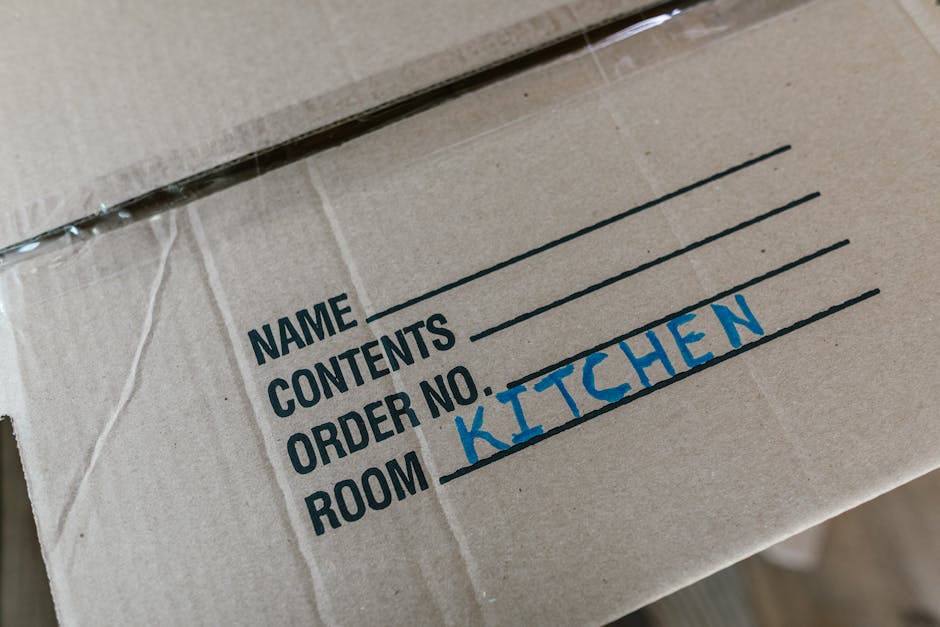
- Packing begins. Label boxes clearly by room and priority. Keep a small essentials bag separate.
- Collection day. Make sure parking, access, and keys are arranged. This is where a lot of delays happen. A narrow driveway at 7:30 in the morning can turn into a slow little puzzle.
- Transit and delivery. Stay reachable. Good communication matters more than people expect.
- Unpack essentials first. Bedding, toiletries, chargers, a kettle, and basic kitchen bits. First night comfort matters.
For some households, a smaller vehicle is enough for part of the move, and it can be sensible to ask whether a removal van or moving van is appropriate for the local leg of the journey. For larger loads, a moving truck or broader removal services package may be more suitable. The vehicle itself is only part of the story, of course. The planning around it is what saves the day.
Expert summary: The best international move is rarely the cheapest quote on paper. It is the one that fits your load, protects your belongings, and gives you a predictable handover at the other end. Clean paperwork, realistic timing and clear communication matter more than flashy promises.
Expert Tips for Better Results
There are a few habits that consistently improve outcomes. Nothing magical, just practical discipline.
- Photograph valuables before packing. It helps with records and gives you peace of mind.
- Use one inventory style throughout. Mixed naming systems create confusion when you are tired.
- Pack an "arrival box". Kettle, mugs, loo roll, charger, medication, basic tools, spare clothes. A small thing, but it saves the first evening.
- Keep sentimental items with you if possible. Important papers, jewellery and irreplaceable keepsakes are usually best carried personally.
- Ask about transit updates. Even a simple checkpoint update can reduce stress.
- Be realistic about furniture size. That big wardrobe you love may not love the move back.
One especially useful tip: be honest about access. If the destination has no lift, a steep staircase, or tight parking, say so early. A truck arriving to discover a hidden flight of stairs is nobody's idea of a pleasant Tuesday.
If you are comparing providers, it is also sensible to look at the business side of things. Pages such as about us, payment and security and pricing and quotes can help you judge how transparent a company is before you commit.
Common Mistakes to Avoid
A lot of move-related stress is avoidable. The same errors keep showing up, and they are usually simple ones.
- Leaving the quote too late: International moves need more lead time than many domestic jobs.
- Underestimating volume: A house full of packed boxes often takes more space than expected.
- Forgetting access details: Lift restrictions, parking limits and narrow entrances matter.
- Packing poorly: Heavy items in oversized boxes are asking for trouble.
- Not checking exclusions: Some items may need special handling or may not be accepted.
- Mixing essential and non-essential items: Finding your toothbrush inside a box marked "miscellaneous" is not fun, even if it sounds like a small problem.
Another common issue is assuming all removals companies offer the same thing. They do not. Some focus on larger household moves, others on man and van work, and some specialise in particular move types. If you are moving a business base or office items alongside household belongings, you may also want to understand commercial moves and office removals to see how mixed loads are handled.
Tools, Resources and Recommendations
You do not need fancy software to organise an international move, but a few simple tools make life easier.
- Room-by-room inventory list: Keep it digital if you can, with photos attached.
- Box numbering system: Number each box and note the room plus contents.
- Priority labels: Mark items as first-day, first-week, or storage.
- Shared checklist: Useful for couples or families where multiple people are packing.
- Document folder: Store identification, booking details, insurance notes and contact information together.
For many readers, the most useful recommendation is to speak to a company early and ask direct questions. Not vague ones. Real ones. For example: what happens if access is blocked, how are fragile items handled, can you manage partial loads, and what support is included if delivery timing shifts? Clear answers usually tell you a lot.
If you are at the stage of comparing providers near you, a page like removals near me can help orient your search, while broader pages like removals and removal company are useful for understanding the company's overall service range. It is also perfectly reasonable to ask about the moving vehicle itself, including whether removal truck hire is available where it makes sense.
Law, Compliance, Standards, or Best Practice
International removals sit in a space where practical logistics and compliance overlap. You do not need to become a transport specialist, but you do need to understand the basics.
Best practice usually includes clear inventories, honest declaration of contents, careful packing, safe lifting methods, and transparent service terms. Depending on destination country, customs documentation and import requirements may also apply. The exact rules vary, so it is wise to confirm what is required for your route rather than assuming a generic process will fit.
From a UK customer perspective, the important things are often straightforward:
- Make sure the company explains what is and is not included.
- Keep a copy of your booking and item list.
- Check what insurance covers and what it does not.
- Ask how claims are handled if something is damaged in transit.
- Read cancellation and payment terms before paying deposits.
It also helps to choose a mover that takes safety seriously. Practical pages such as health and safety policy, insurance and safety, and complaints procedure are useful signals that the business has thought through the customer experience. Not everything can be guaranteed, obviously, but clarity is a good sign.
If sustainability matters to you, look for evidence of responsible disposal, reuse and recycling. Likewise, if you are sharing personal information or paying online, the company's payment and security and privacy policy should make sense in plain English. If they do not, that is worth pausing over.
Options, Methods, or Comparison Table
Different move methods suit different household needs. Here is a simple comparison to help you think clearly.
| Method | Best for | Pros | Trade-offs |
|---|---|---|---|
| Full-service international removals | Whole-house moves and busy households | Packing, transport and delivery are coordinated for you | Usually costs more than a basic transport-only option |
| Shared-load service | Smaller shipments and flexible timing | Can be more economical for lighter loads | Delivery windows may be less precise |
| Dedicated vehicle service | Time-sensitive or larger shipments | More direct, better control over timing | Higher cost if you do not need the full capacity |
| Self-pack with professional transport | Households comfortable packing their own items | Lower service cost, more control over packing choices | More work and greater responsibility for packing quality |
Choosing between them is mostly about priorities. Is the move urgent? Do you need everything handled? Are you only sending selected items? Would you rather pay a bit more for peace of mind, or do as much as possible yourself? There is no single right answer. Just the right fit for your household.
For some readers, a service built around house movers, house removalists or even man with van removal style support may be enough for the first leg of a broader overseas move. For others, a more structured service is the safer choice. Practicality first. Pride second.
Case Study or Real-World Example
Imagine a family moving from a three-bedroom UK house to a coastal town abroad. They do not want to ship every item. The children are taking school bags, books and a few favourite toys. The parents want the dining table, some bedroom furniture, kitchenware, winter coats, and a handful of sentimental pieces.
At first, they think they can sort it in a weekend. They cannot. The real work starts when they separate what is going, what is being stored, and what will be sold or donated. One cupboard produces three nearly identical sets of chargers. Another contains old paperwork nobody has looked at for years. There is always one drawer like that, isn't there?
They request a survey, confirm access on both sides, and choose a move plan that allows for careful packing of fragile items and a phased arrival. The result is not perfect in a fairy-tale sense, but it is smooth enough to feel manageable. The household arrives with the essentials ready, the furniture intact, and far less chaos than they expected.
That is the real win with international removals: not zero stress, but controlled stress. Much kinder on everybody.
Practical Checklist
Use this as a simple pre-move check before booking and again before collection day.
- Decide exactly what is being moved.
- Separate essentials, valuables and documents.
- Take photos of important items before packing.
- Ask for a detailed quote and confirm what it includes.
- Check insurance, payment terms and cancellation conditions.
- Confirm access at both addresses.
- Label boxes by room and priority.
- Prepare an arrival box for the first 24 hours.
- Keep contact details handy during transit.
- Review sustainability and disposal options for unwanted items.
- Make sure you understand the destination requirements for your route.
If you are moving as a household and want support with the packing side, services like removal services and packing and unpacking services can reduce the pressure a lot. Sometimes the simplest help is the most valuable.
Conclusion
International removals are really about turning a complex life event into a series of manageable steps. Once you understand the route, the packing, the paperwork and the timing, the whole thing stops feeling like a mystery. You may still have a few headaches, to be fair. Most people do. But they become ordinary planning problems rather than chaos.
The best results usually come from early preparation, honest communication, and choosing a service that matches the size and shape of your move. If you keep the process practical, your household can arrive abroad in a much calmer state than you probably imagine right now.
Get a free quote today and see how much you can save.
And if you are still at the sorting stage, take a breath. One box at a time. That really is enough.
Frequently Asked Questions
What are international removals for UK households?
International removals are moving services that transport household belongings from the UK to another country. They usually include planning, packing, transport and delivery, with customs or destination paperwork handled separately where required.
How far in advance should I book an overseas move?
As early as possible. International moves often need more lead time than domestic ones because of route planning, transport schedules, and paperwork. Booking early gives you more choice and usually less last-minute pressure.
Do I need to pack everything myself?
Not necessarily. Some households pack their own items, while others prefer a full packing service. If you have fragile furniture, artwork, or a lot of boxes, professional packing can save time and reduce risk.
Can I move just part of my home abroad?
Yes. Many households only ship selected furniture, clothes, kitchen items and personal belongings. Partial loads are common, especially for smaller homes or people settling temporarily before buying more items.
What affects the cost of international removals?
Cost is usually influenced by volume, distance, access, packing needs, transport method, timing, and whether you need extra services like unpacking or storage. Bigger or more complex moves generally cost more.
Is insurance included with international removals?
Sometimes, but not always in the same way. You should check exactly what the policy covers, what exclusions apply, and whether you need additional cover for specific items. Do not assume every quote includes the same protection.
What should I keep with me during the move?
Keep passports, key documents, medications, essential chargers, valuables and a first-night bag with you if possible. Anything you would be unhappy to lose or delay is best carried personally.
How do I know if a removal company is suitable for an overseas move?
Look for clear quotations, transparent terms, sensible communication, and evidence that the company understands packing, transit and delivery planning. It also helps if they provide useful policy pages and explain the process without jargon.
What happens if my delivery date changes?
That depends on the route and service type. International transport can be affected by route timing, access issues or customs-related delays. A good provider will explain the likely process and tell you how updates are handled.
Should I use a man and van service for an international move?
It can work for smaller shipments or the first leg of a move, but you need to confirm that the provider is equipped for cross-border work. A standard local move service is not automatically suitable for overseas transport.
What items are usually best left behind?
Bulky, low-value or easily replaceable items often make less sense to ship. Old furniture, worn appliances, and things you no longer use are common candidates for resale, donation or recycling before the move.
Where can I get more help before booking?
Start with the mover's service pages and policy pages so you understand what is offered and how the business works. Pages such as about us, pricing and quotes, insurance and safety, and terms and conditions are a sensible place to begin.